The House Talk Happened at Thanksgiving. Now What?

The House Talk Happened at Thanksgiving. Now What?
It happens every year. The table gets cleared, the coffee comes out, and someone says it:
"So… what are we going to do about Mom's house?"
Maybe a parent is thinking about downsizing. Maybe a parent passed this year and the house has been sitting empty. Maybe nobody has said anything official yet, but everyone is thinking about it.
Whatever led to the conversation, the next steps can feel overwhelming. Here's a plain-language look at where to start and what to avoid doing too early.
First, figure out which situation you're in
|
If your parent is alive and thinking about a move
They're still in charge. The decisions are theirs, and the paperwork runs through them. The big questions are practical ones: where they'd go next, how much help they'd need to get the house ready, and whether they can sign documents themselves. If they can't, it matters whether someone holds a valid power of attorney. It's much easier to sort that out now than in a rush later.
|
If the homeowner has passed away
Nobody can sell the house just because they're family. Someone needs legal authority to act for the estate first. In New Jersey, that generally goes through the county Surrogate's Court. In Pennsylvania, it goes through the county Register of Wills. If there's a will, the named executor applies. If there isn't one, the court appoints an administrator.
|
Don't clean out the house yet

This is the most common mistake I see, and it usually comes from a good place. Families want to get started, and a house full of belongings feels like the obvious first job.
|
📄
|
Look for paperwork. Wills, deeds, mortgage statements, insurance policies, tax bills, and bank records are often tucked into drawers, closets, and shoeboxes. |
|
💍
|
Remember that the contents may be part of the estate. Furniture, jewelry, and collectibles may need to be accounted for. Taking things early can create real friction between family members. |
|
📸
|
Take photos or video of every room. It gives you a record of what was there and how the house looked. |
Once the legal side is moving and everyone agrees on a plan, then it's time for the cleanout.
Protect the house while you figure things out
An empty house, especially in a South Jersey or Philly-area winter, can turn into an expensive problem quickly.
Get everyone on the same page
The house is often the hardest part of an estate emotionally. One sibling may want to keep it, another may need the money now, and a third may live out of state and just want it handled.
It helps to put the realistic options on the table early:
|
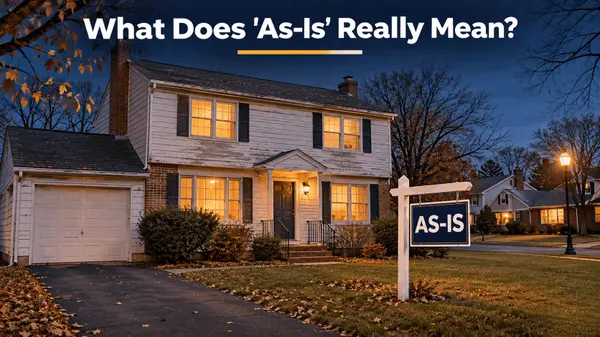
Sell it as-is
Less work and less upfront cost, usually at a lower price.
|
Fix it up and sell
Possibly a higher price, but someone has to manage the work and the estate has to fund it.
|
|
One family member buys out the others
This can work well, but it needs a fair value everyone trusts.
|
Keep it or rent it
That means ongoing costs and responsibilities, plus decisions about who manages it.
|
Don't forget about taxes
New Jersey and Pennsylvania each have their own inheritance tax rules, and how they apply can depend on who is inheriting. Selling an inherited property can also have income tax consequences. In some cases, required state paperwork has to be handled before a sale can close.
A simple order of operations
If you take nothing else from this post, here's the short version:
|
1
|
Figure out who has legal authority to act. |
|
2
|
Secure and insure the house. |
|
3
|
Find the paperwork before you clean out. |
|
4
|
Talk to an estate attorney and an accountant. |
|
5
|
Learn what the house is realistically worth in its current condition. |
|
6
|
Decide on a plan together, then act on it. |
This post is for general information only and isn't legal or tax advice. Please consult an attorney or tax professional about your specific situation.
Licensed in NJ and PA
REAL Broker, LLC
(856) 904-5854 · danielkentproperties.com
Categories
Recent Posts